
What is Hot Pot?

Hot Pot is a traditional Asian meal where diners cook meat, vegetables, and other ingredients in a simmering pot of broth placed in the center of the table. Each person chooses what to cook and consumes it fresh, accompanied by dipping sauces to taste.

Unlike other dishes already prepared in the kitchen, Hot Pot is a participatory experience: cooking happens at the table and each ingredient is cooked at the moment.

Its three main characteristics

  • 1. At-table cooking: The pot with broth remains hot throughout the meal.
  • 2. Personalized preparation: Each person decides which ingredients to add and how long to cook them.
  • 3. Social experience: More than a dish, it is a shared meal that encourages conversation and a calm pace.

Is it the same as fondue?

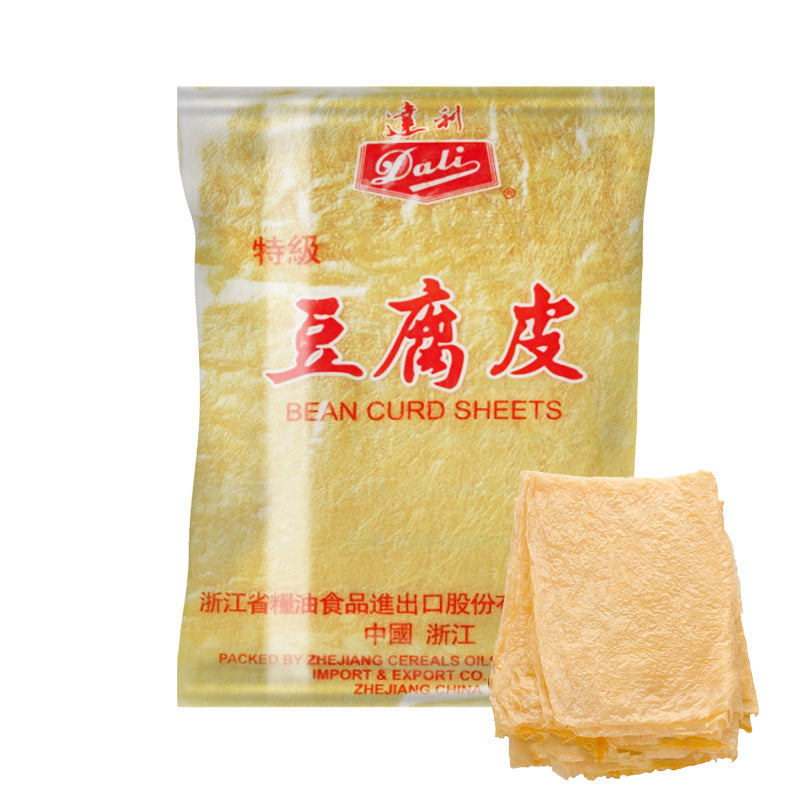
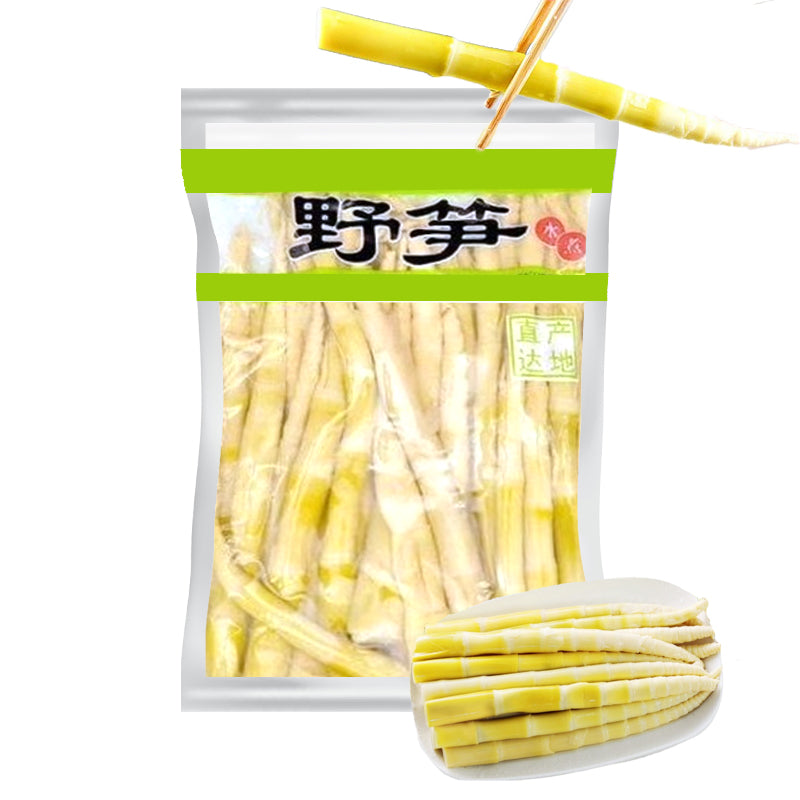
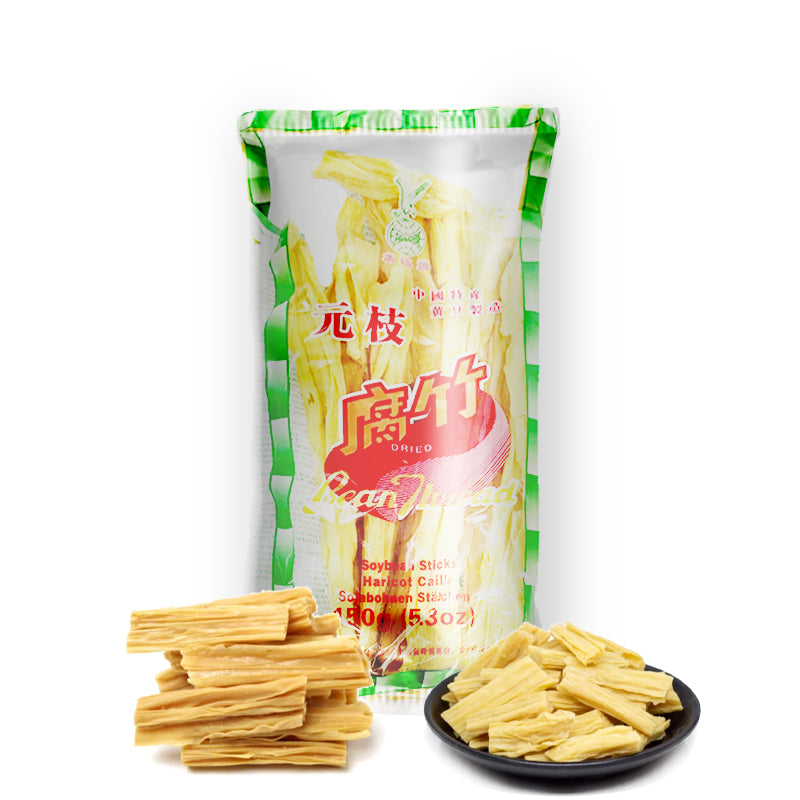
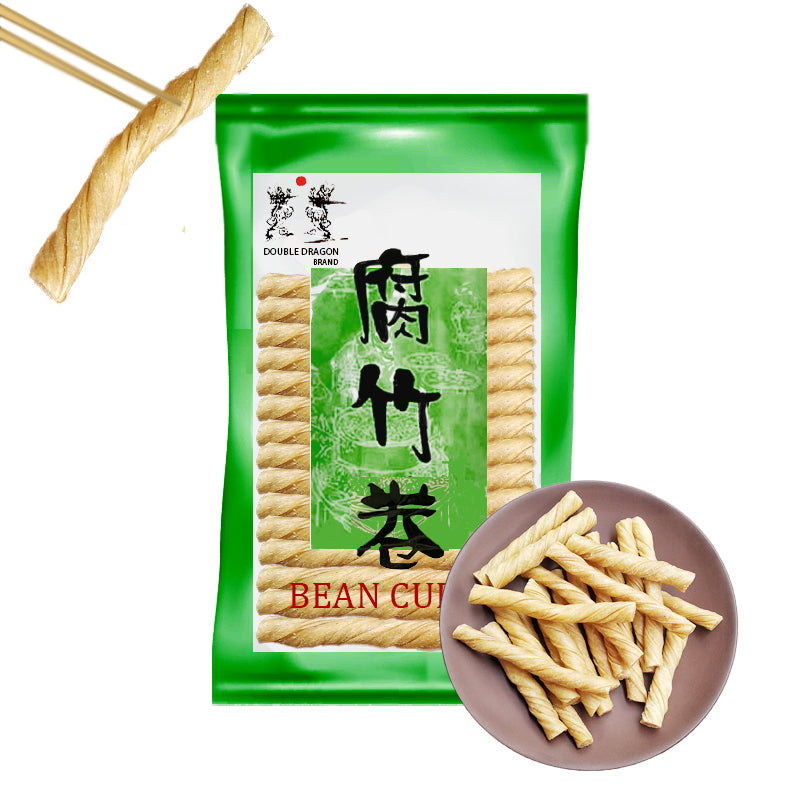
Not exactly. In fondue, you usually cook in cheese or oil and the focus is on the base ingredient. In Hot Pot, the star is the broth, and the variety of ingredients is much greater: meats, seafood, vegetables, tofu, and noodles. Both share the idea of at-table cooking but belong to different culinary traditions.
History and Culture of Hot Pot

Origin of Hot Pot

The history of Hot Pot dates back over a thousand years in northern China. Records place early versions during the Han Dynasty, using metal containers heated by coal to cook meat in winter. In cold regions like Inner Mongolia, this type of meal allowed for quick preparation around a common heat source.

Regional evolution

Over time, Hot Pot adapted to different regions of China and Asia:

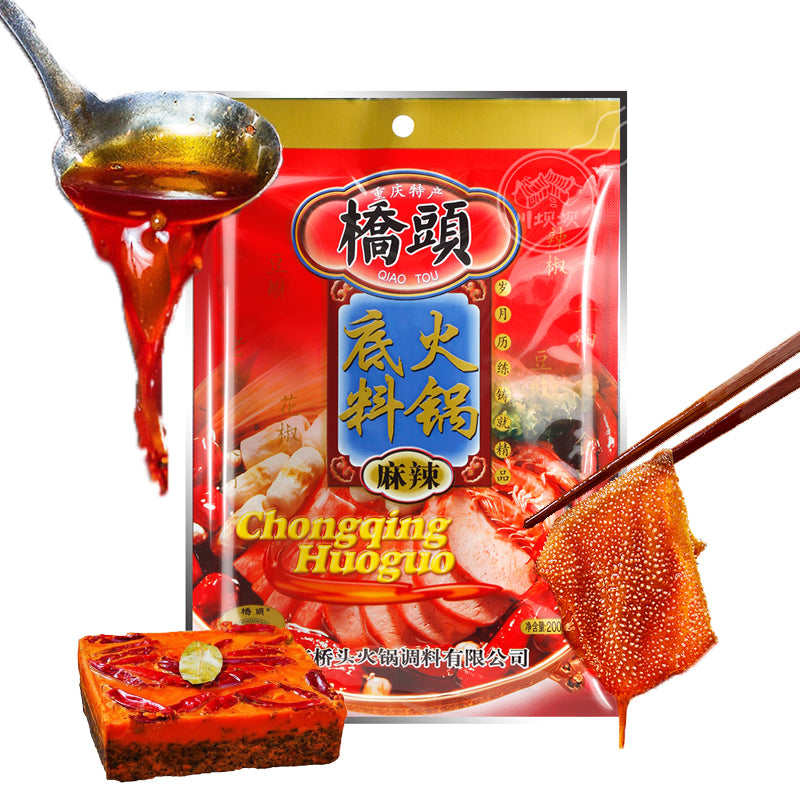
  • Sichuan developed the spicy and aromatic version with chili and Sichuan pepper.
  • Beijing popularized the lighter style, centered on lamb.
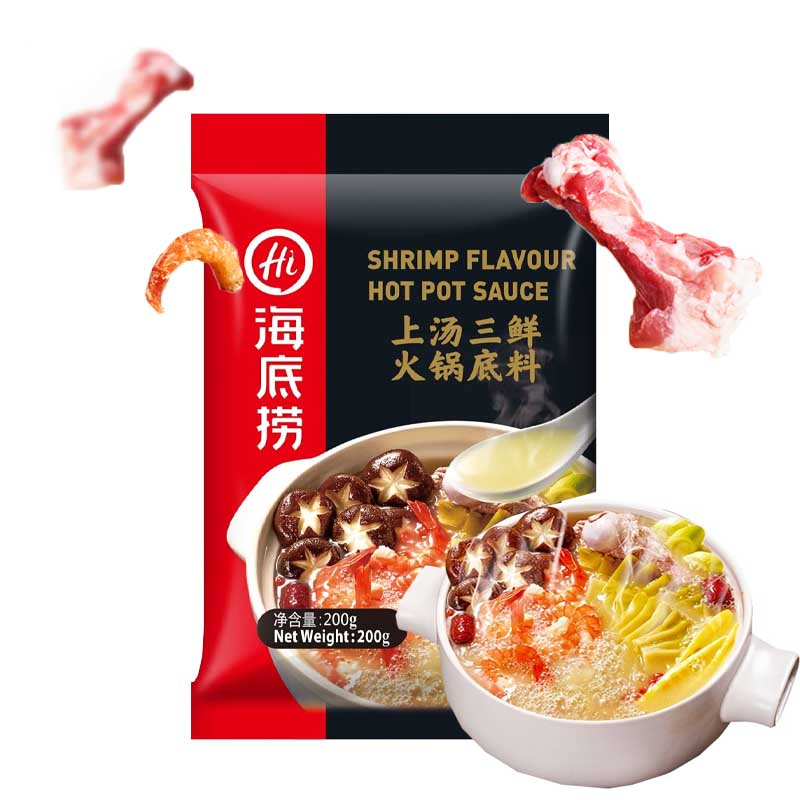
  • In the south, milder versions emerged with seafood and clear broths.
Today, variants exist in Japan (shabu-shabu), Korea (jeongol), and other Asian countries, each with its own characteristics.
More than food: a social practice

In many Asian cultures, Hot Pot is not just a dish, but a way of gathering. It is associated with family celebrations, winter meetings, and long group meals. Shared cooking creates a slow pace, where conversation and food advance at the same time.

Hot Pot today

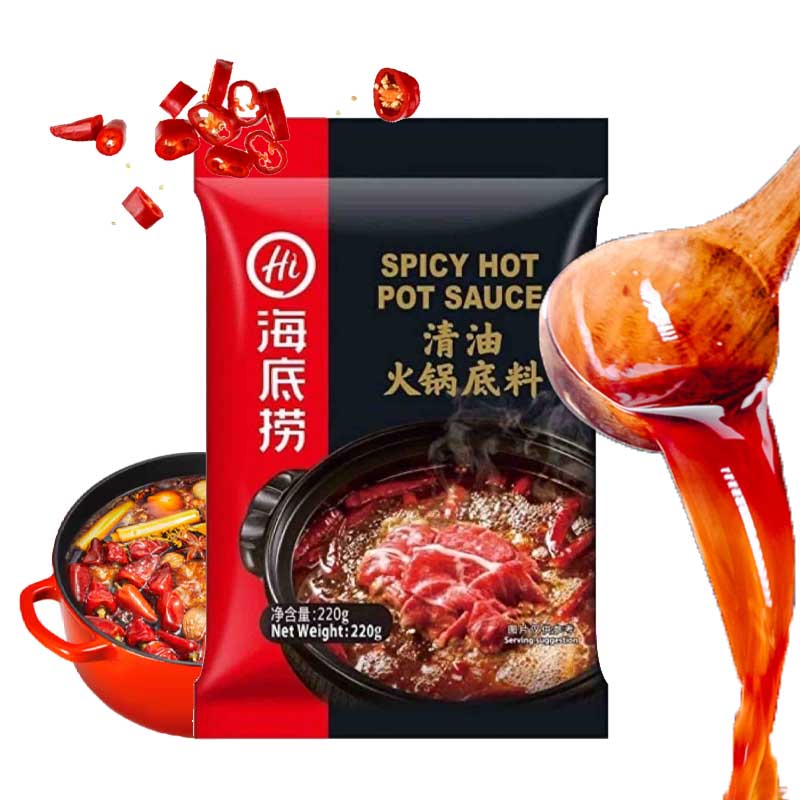
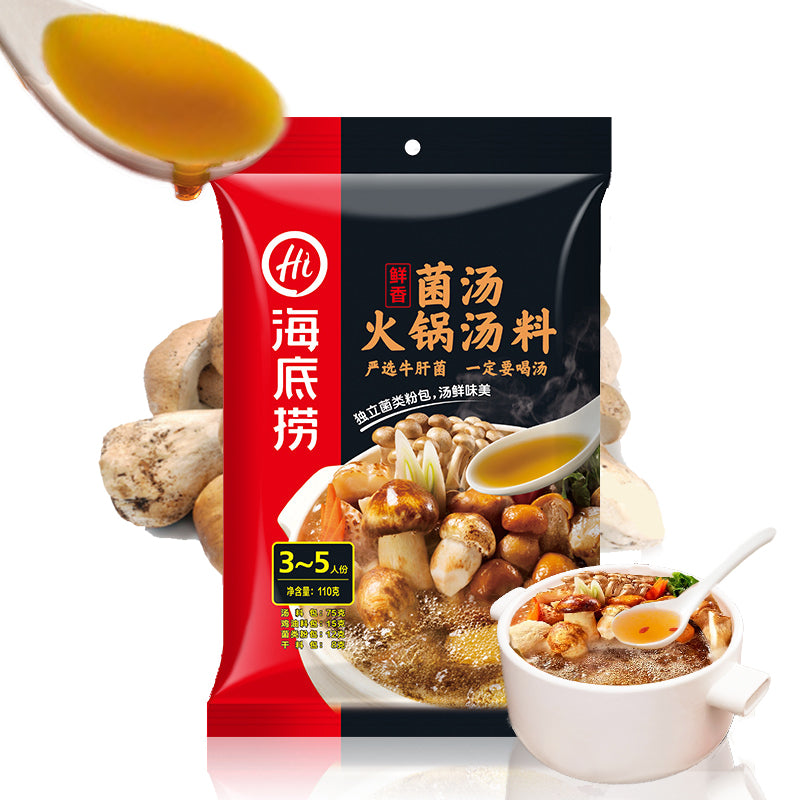
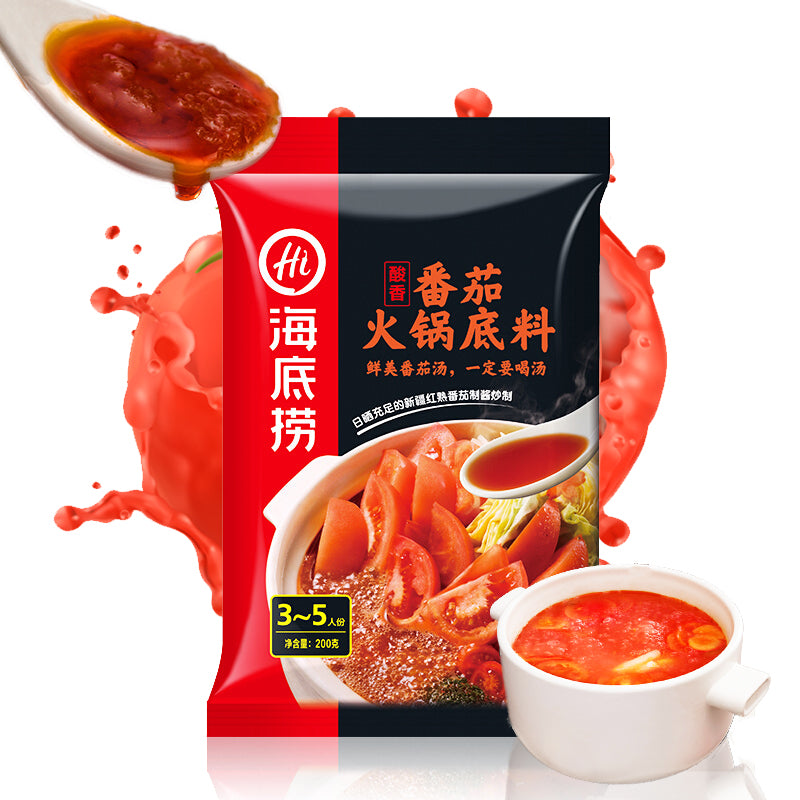
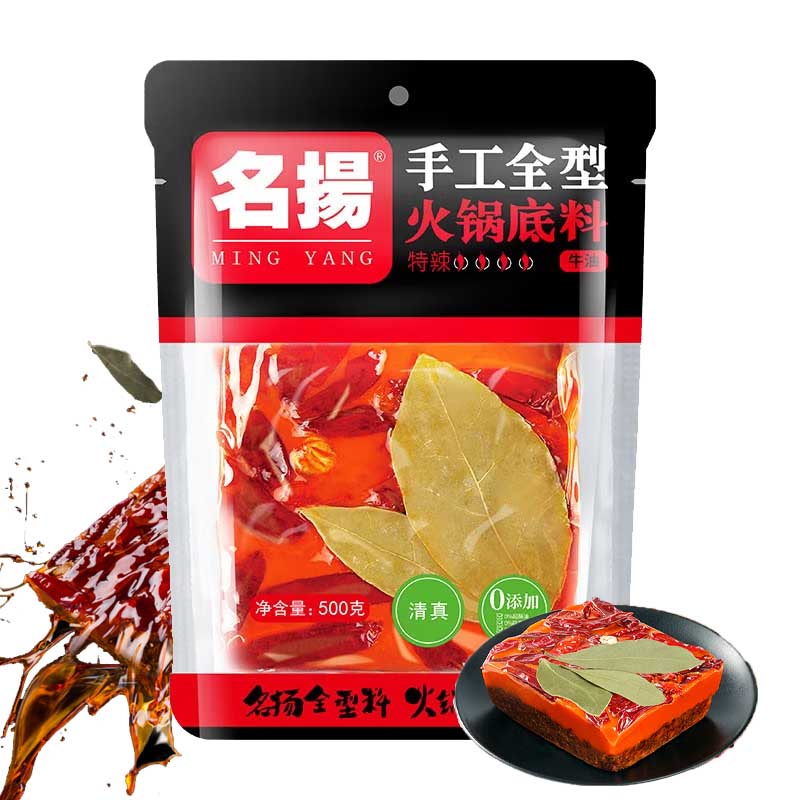
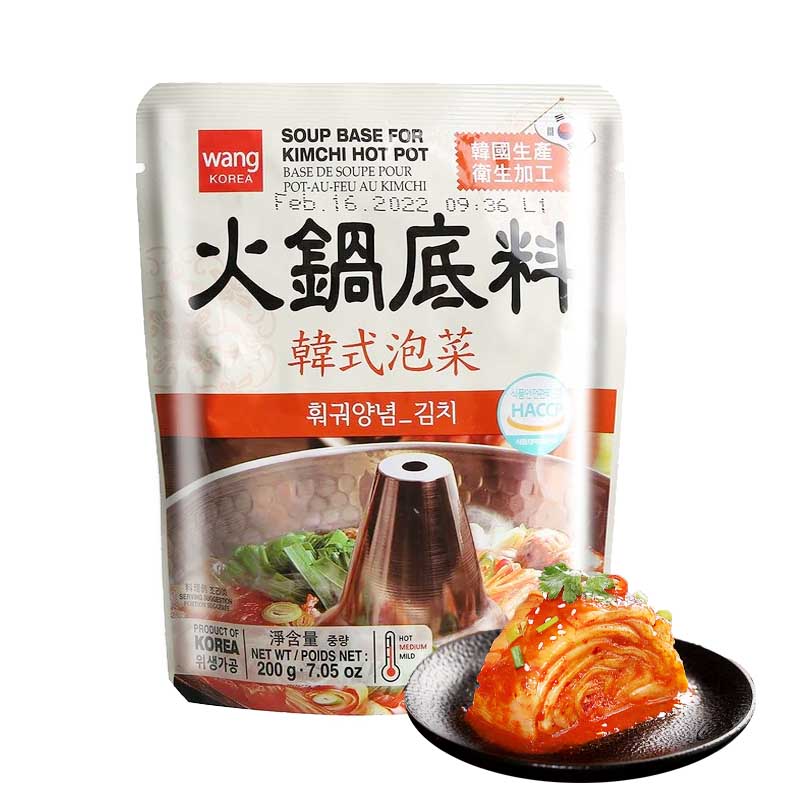
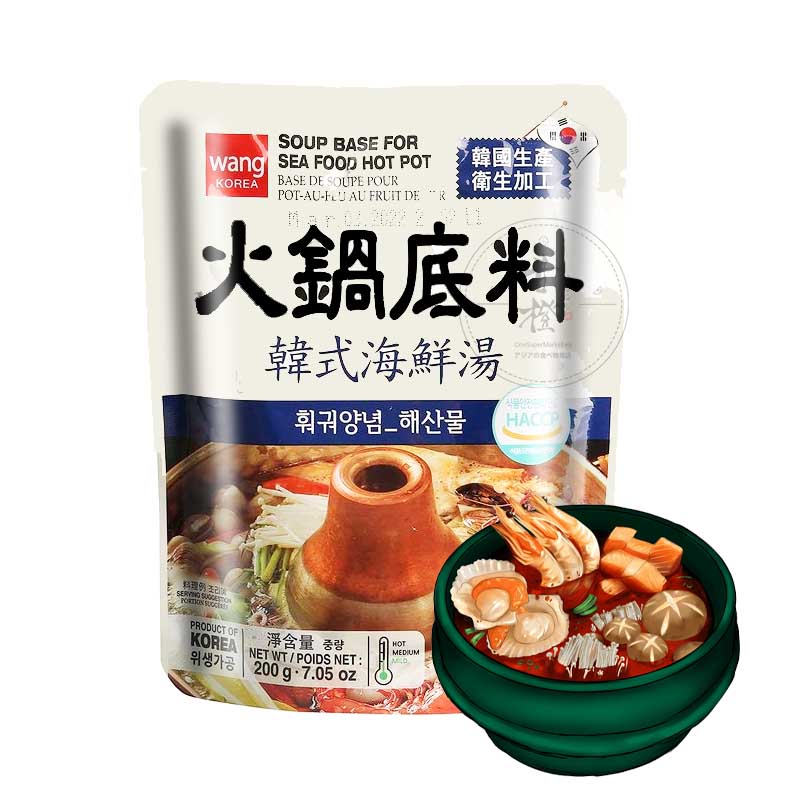
In recent decades, Hot Pot has expanded internationally. Major cities in Europe and America now have specialized restaurants. At the same time, more and more people prepare it at home, thanks to the availability of broth bases and Asian ingredients in specialized supermarkets.

Cooking Guide

Traditional Hot Pot Cooking Sequence

To enjoy the best flavor, follow the traditional sequence.

Temporizador para Hot Pot

¿Cómo usarlo?

01

02

03

04

Nota:

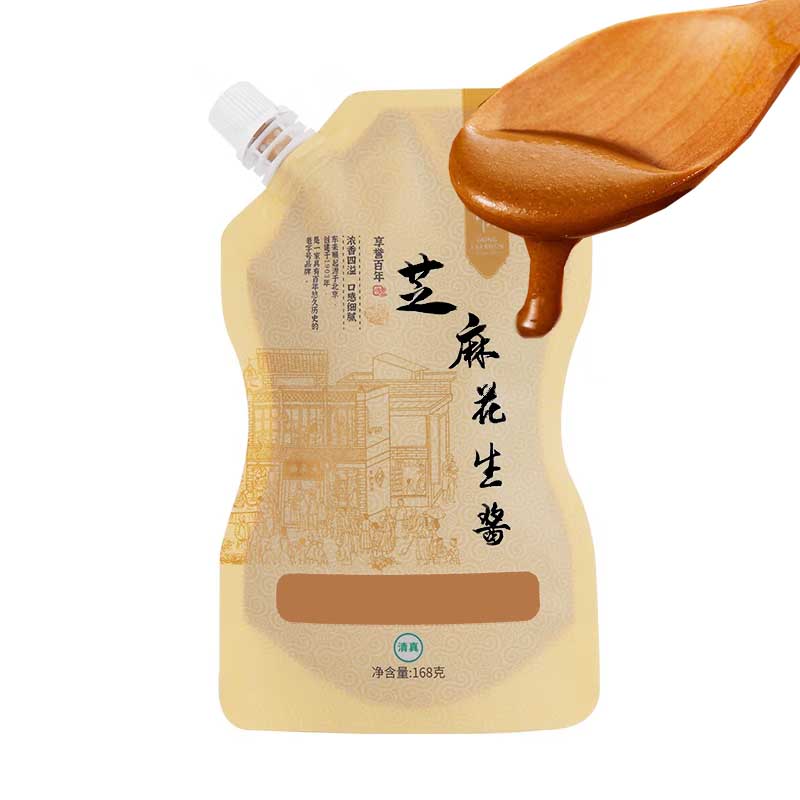
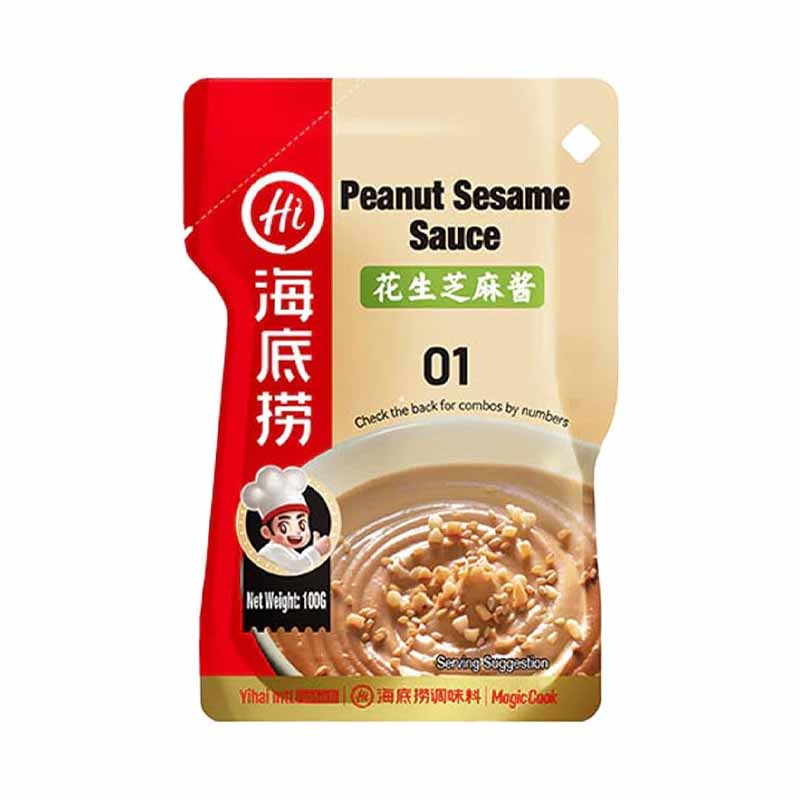
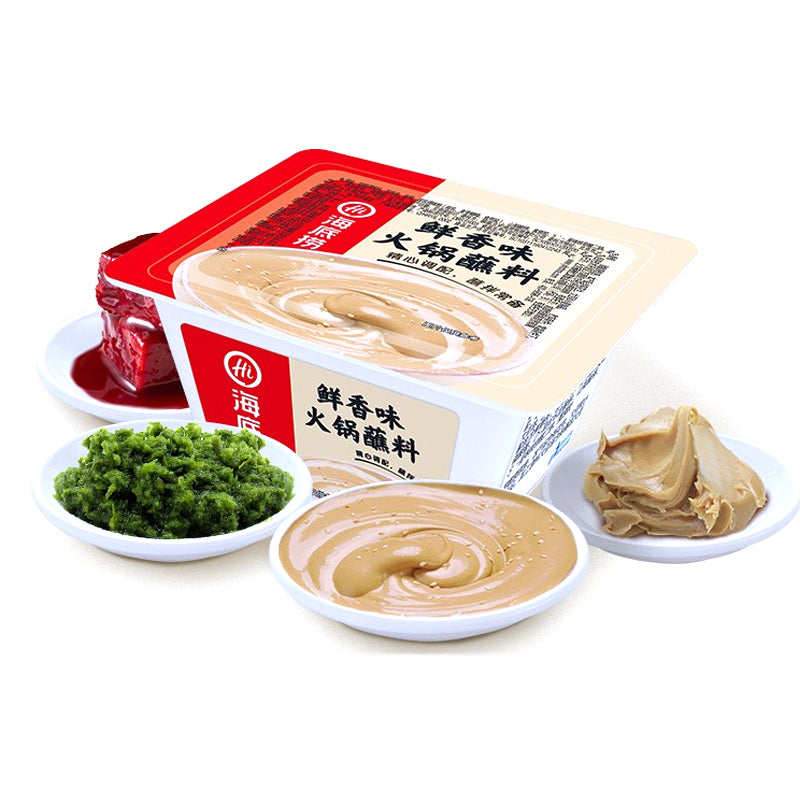
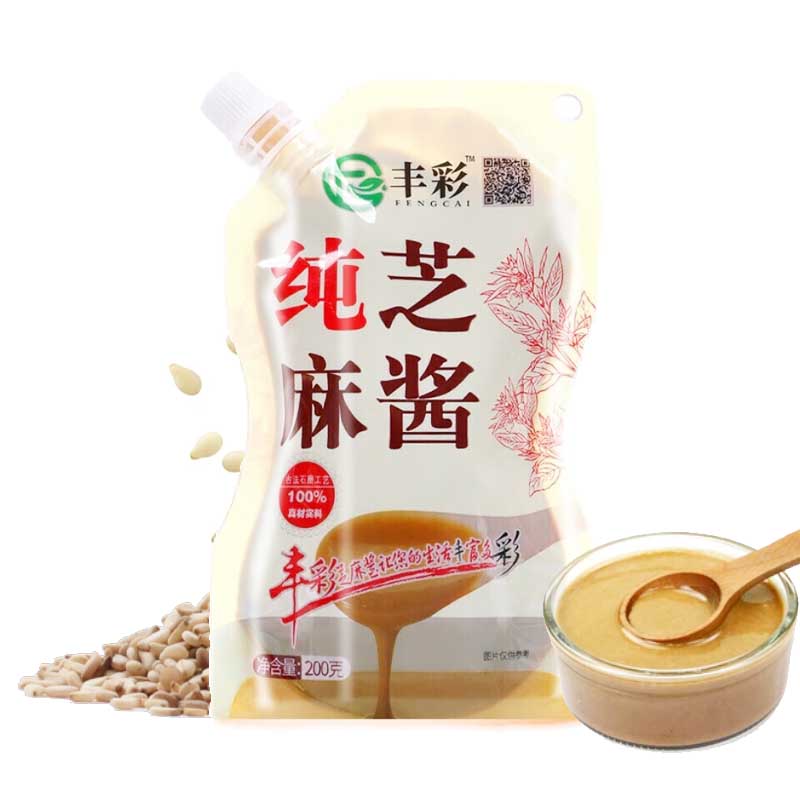
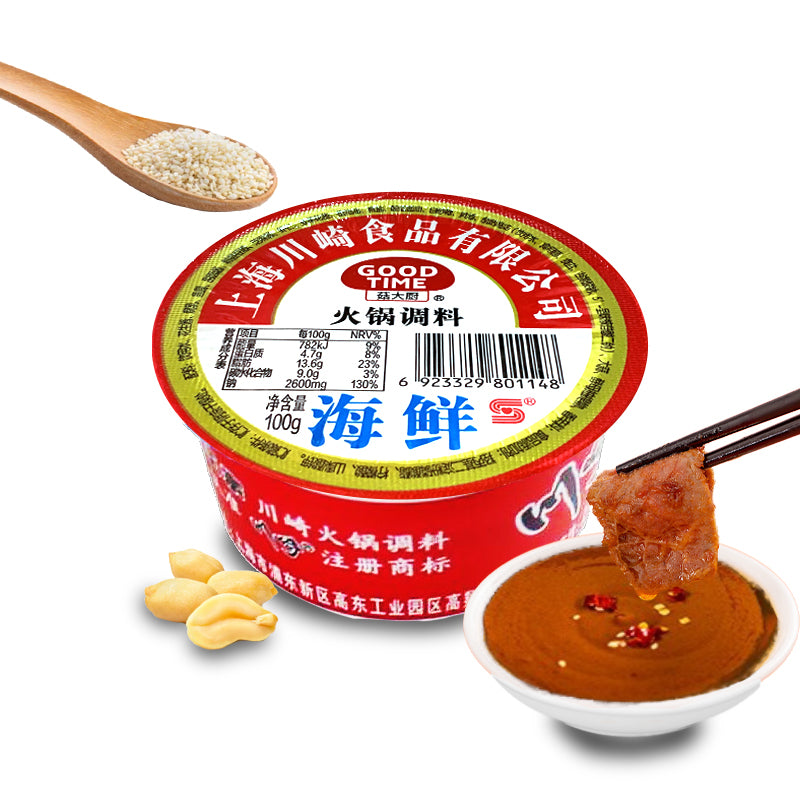
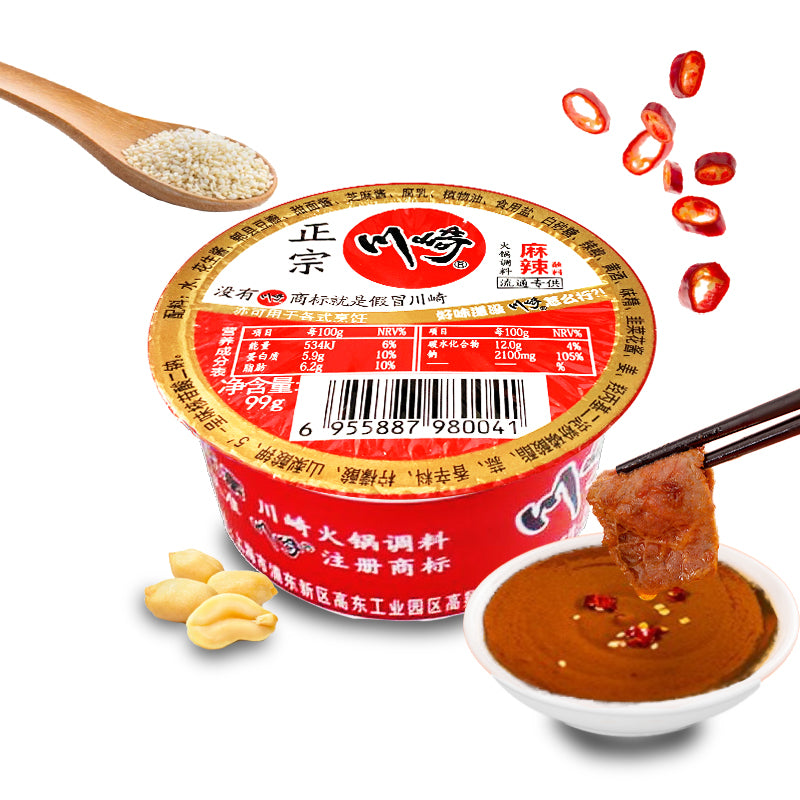
What sauce to use for your Hot Pot?

Discover classic combinations for each type of broth

Which sauce style do you like most?

...

Vote synced in real-time.

DOCUMENT: HP-BIO-PROTOCOL

THE SCIENCE OF HOT POT

Scope of application:

Domestic use · Traditional Hot Pot · Healthy adults

CODE_01
TIMING PREPARATION / COOKING

THERMAL CONTROL

REGLA CLAVE
Boil Reduce Slow cook
85°C

Medium heat: preserves protein tenderness.

100°C

High heat: only for initial sterilization.

RISK: FLAVOR DEGRADATION
+ TENDER TEXTURE + CLEAN FLAVOR
CODE_02
TIMING DURING / AFTER

DIGESTIVE COMFORT

REGLA CLAVE
AVOID THERMAL SHOCK

• Do not alternate boiling broth with iced drinks.

• Wait 10 min before drinking cold water.

RISK: GASTRIC SPASMS
+ WELLBEING + LESS HEAVINESS

PROTOCOL BASED ON CULINARY SCIENCE AND WELLNESS PRINCIPLES.

DOCUMENT: FAQ

KNOWLEDGE CENTER

Sí, el Hot Pot es seguro durante el embarazo siempre que se cocinen completamente carnes, mariscos y huevos, se eviten ingredientes crudos y se mantenga el caldo en ebullición estable para prevenir la contaminación cruzada.

El riesgo no reside en el formato del Hot Pot, sino en una cocción insuficiente. Mantener el hervor y priorizar caldos moderados para evitar la acidez son prácticas recomendadas.

Suele deberse al exceso de picante o grasa, comer rápido o el choque térmico al alternar caldo muy caliente con bebidas heladas.

Para reducir el riesgo, mantenga un fuego medio estable para una cocción uniforme y evite contrastes térmicos extremos.

El riesgo existe si no se respetan normas básicas: no mezclar utensilios de crudo/cocido y asegurar que el caldo hierva tras añadir ingredientes.

Con una correcta manipulación y asegurando la ebullición, el riesgo biológico es extremadamente bajo.

Depende de los ingredientes. Con verduras y proteínas magras es moderado, pero salsas densas y carnes grasas lo aumentan.

La clave está en el equilibrio y la variedad, priorizando vegetales y cortes con poca grasa.

Sí, especialmente al cocinar por ebullición en lugar de freír. Permite ingerir una gran variedad de nutrientes naturales.

Es una de las formas más equilibradas de comer si se seleccionan ingredientes frescos y caldos ligeros.

Varias horas a fuego medio (85–95 °C), siempre que se reponga agua o caldo para evitar la concentración de sales.

Mantener una ebullición suave preserva mejor la integridad del sabor original.

Recomendamos 2 caldos, 300g de proteína por persona, 4 verduras y una estación de salsas DIY.

El mise-en-place previo asegura una experiencia social fluida y profesional.

Para manchas, use detergente líquido directo. Para el olor, ventile la prenda de inmediato.

Lavar el mismo día evita que las partículas de grasa aromática se fijen en las fibras.

INFORMATION BASED ON CULINARY STANDARDS.