


Autenticidad
Tteokbokki fresco
Ofrece la textura más suave y elástica, ideal para quienes buscan una experiencia auténtica y conocen la preparación tradicional. Requiere refrigeración y tiene vida útil corta.
In the vibrant world of Korean cuisine, Tteokbokki holds a special place. This dish, characterized by its spicy flavor and chewy texture, has captured the hearts (and palates) of people around the world. Whether you're familiar with Korean cuisine or just starting to explore it, this article will provide you with a complete guide to Tteokbokki.
Discover what Tteokbokki is , its fascinating history, the ingredients needed to prepare it, and how you can make it in your own home with our Tteokbokki recipes . Not only will we cover the Easy Tteokbokki recipe , but we will also give you a detailed look at the authentic recipe from Korean street food stalls.
Plus, you'll find answers to frequently asked questions about this dish and how to store and reheat it. Lastly, if you don't have time to make your own Tteokbokki or just want to try the authentic Korean flavor, we will tell you where you can buy Tteokbokki .
Whether you're drawn to the fun name, the tasty Korean Topokki , or the adventure of learning how to make your own Tteokbokki, this article has something for you. We hope you enjoy it as much as we enjoyed preparing it for you!
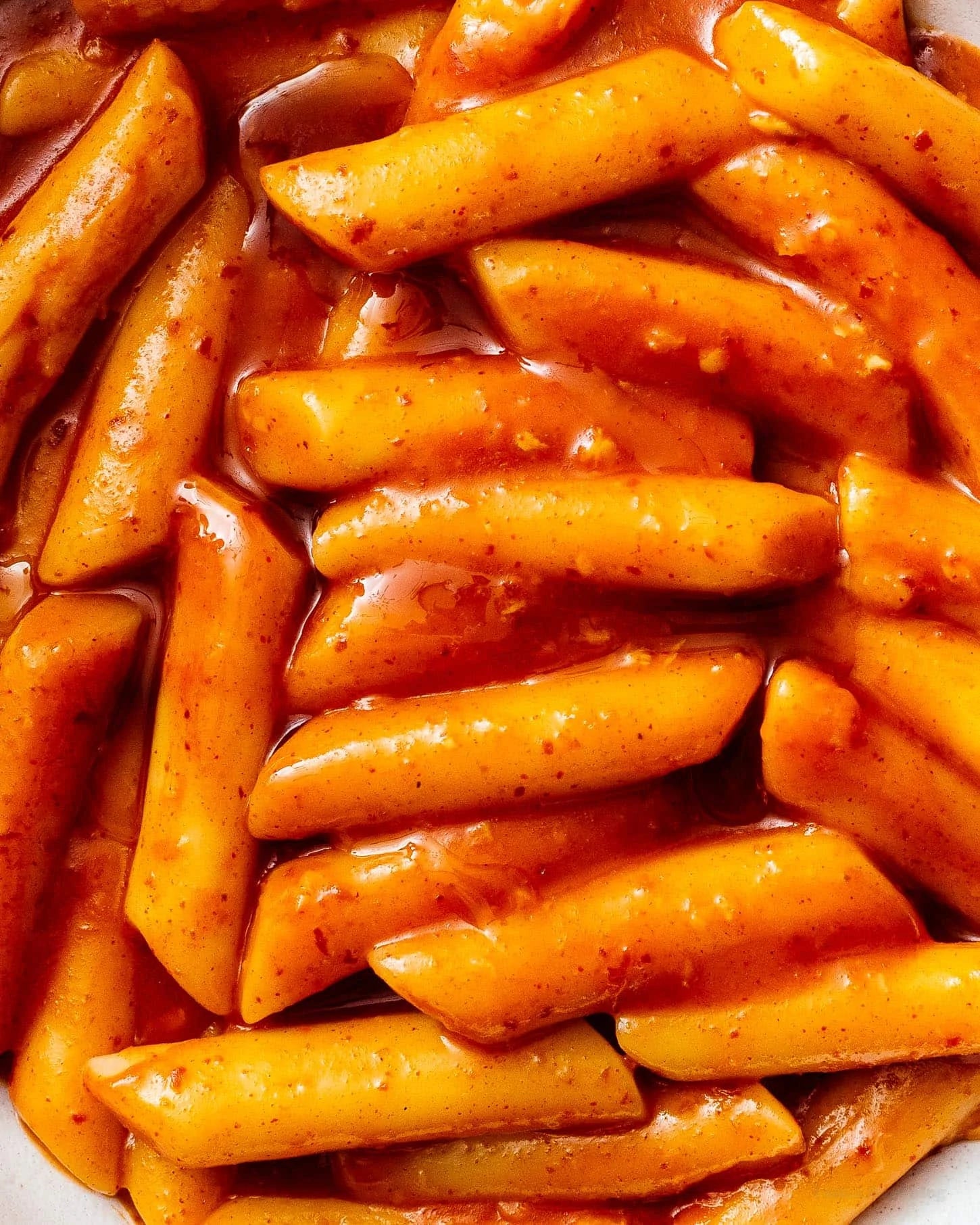
What is Tteokbokki?
Korean food, in which rice cakes and other ingredients are fried or boiled for seasoning, has been ranked as the 10th favorite food by Koreans in a survey. It is arguably the most popular Korean food as it is often sold as street food and can be enjoyed by people of all ages, making it a true commoner's meal.
The name of the food is ' Tteokbokki ', but with the exception of traditional tteokbokki (soy sauce tteokbokki) and oil tteokbokki with a long history, most of the tteokbokki we eat is not 'roasted', but boiled with water or broth. However, it will be difficult for the name 'Tteokbokki', which has been established as a proper name, to disappear. In fact, tteokbokki is a dish prepared by boiling broth, which is also called soup, similar to stewed mackerel which is not called mackerel soup. When radish is added, the flavor is similar to stewed mackerel.
The most common method is red tteokbokki with gochujang, while others use condiments such as soy sauce, ketchup, curry, jajang, and cream sauce. Along with sundae (sausage), tempura, ramen and kimbap, it is one of Korea's representative national snacks and one of its representative street foods. For this reason, Koreans treat it as a snack, but in other countries, it is known more as a representative Korean food and for a meal than as a snack.
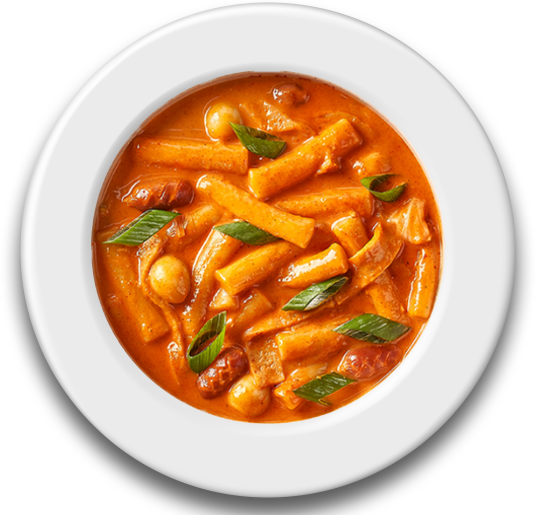
History
During the Joseon Dynasty , Tteokbokki was consumed as soy sauce, a dish made by mixing meat, vegetables and fried rice cakes in soy sauce, a delicacy exclusively reserved for the royal family. Its scarcity in the market is due to the high cost of auxiliary ingredients, although it is occasionally presented as homemade food, a complement to a school cafeteria or food for military service.
Regarding its origin, it is considered that Tteokbokki was developed from the cooking of steamed rice cakes. Although this dish existed during the Japanese colonial period, its evolution into modern Tteokbokki is due to factors such as wars. Modern Gochujang Tteokbokki , described below, has its roots in Sindang-dong in 1953 and is a culinary delight unique to South Korea.
In North Korea, there are various snacks and street foods on the market such as lamb skewers, rice cakes, corn noodles, tofu rice, pork rice bowl, fake meat, and rice dumplings. Although some restaurants also serve Tteokbokki, it is not very popular.
Gochujang Tteokbokki is said to have been first created by Ma Bok-rim, owner of a famous Tteokbokki restaurant in Sindang-dong. According to a media interview, rice cakes with a Chinese seasoning were served at a restaurant. Despite its good flavor, it was somewhat greasy, so it was considered adding a spicy seasoning. That's where the idea of fried rice cake with Gochujang came from.
Tteokbokki has an intense and characteristic flavor within Korean cuisine, dominated by a balanced combination of spicy, sweet, and umami. It is not an aggressive spiciness, but a warm and progressive one that creates a deep and comforting taste.
The Tteokbokki experience depends not only on the sauce but also on the texture of the Korean rice cake (tteok), which is soft on the outside and elastic on the inside. This chewy texture absorbs the spicy sauce, making every bite juicy and flavorful.
Compared to other Asian spicy dishes, Tteokbokki is perceived as a moderate, accessible, and very addictive dish.
It varies by recipe, but generally sits between mild and medium. Street food versions are spicier, while homemade ones balance more with sweetness.
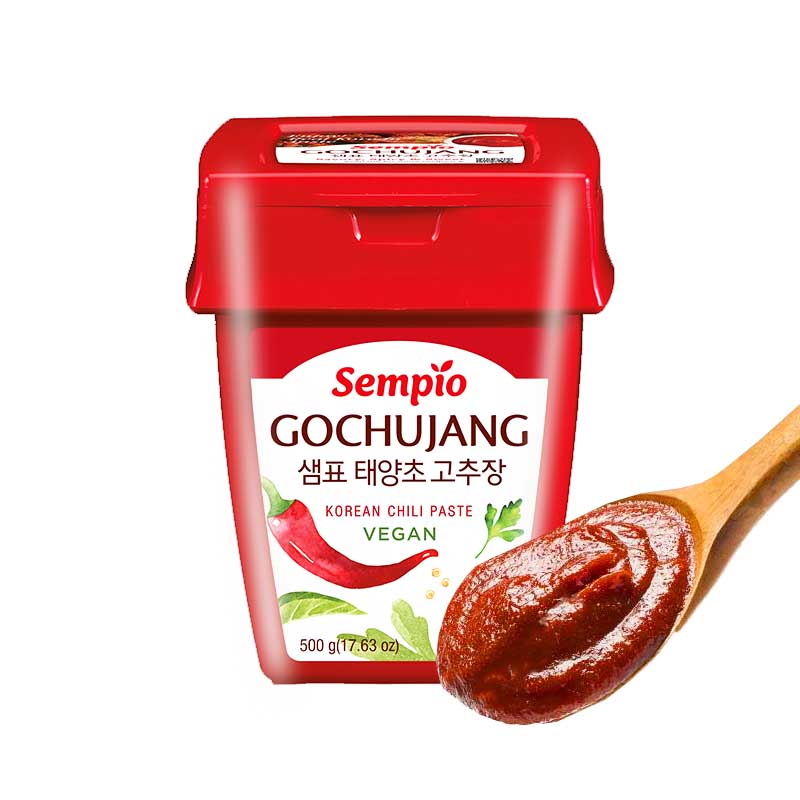
El Tteokbokki se elabora a partir de una base sencilla de ingredientes coreanos que combinan el pastel de arroz (tteok) con una salsa picante de gochujang y aromáticos.
Beyond the classic spicy version, Korea offers a rich variety of traditional and modern styles.
Es la versión más conocida, preparada con pastel de arroz en una salsa espesa de gochujang picante y dulce. Suele incluir eomuk, cebolleta y a veces huevo cocido.
Una versión histórica anterior al chile. Se prepara sin picante, con salsa de soja, verduras y carne, ofreciendo un sabor más suave y salado.
Variante moderna donde el picante se cubre con queso fundido, creando un contraste perfecto entre la intensidad de la salsa y la cremosidad láctea.
Combinación de Tteokbokki con fideos ramen. Los fideos absorben la salsa picante tradicional, haciendo el plato mucho más abundante y satisfactorio.
Versiones actuales que añaden ingredientes como marisco, salchichas o verduras adicionales, adaptando la base a distintos gustos globales.
An informal and deeply accessible icon of Korean everyday urban life.
En Corea del Sur, el Tteokbokki se consume principalmente como comida callejera caliente, preparada al momento y servida en puestos o pequeños locales especializados. Es un plato informal y muy accesible, asociado a la vida cotidiana urbana y especialmente popular entre estudiantes y jóvenes.
El Tteokbokki suele comerse recién hecho, cuando el pastel de arroz está más tierno y la salsa aún burbujea. Se sirve en raciones individuales o para compartir, normalmente acompañado de otros snacks coreanos como eomuk, frituras o sundae (morcilla coreana).
También es habitual encontrarlo en mercados y zonas comerciales, donde se cocina en grandes sartenes visibles al público, contribuyendo a su identidad como icono de Corea.
Tteokbokki is available through specialized Asian stores and online shops across Spain.
En ciudades con mayor diversidad, como Madrid o Barcelona, es posible encontrar pastel de arroz, salsa gochujang y kits en supermercados asiáticos. Estos establecimientos suelen ofrecer productos refrigerados o congelados similares a los de Asia.
* Nota: La disponibilidad varía según la ciudad y el surtido específico de cada establecimiento local.
Permiten acceder a una mayor variedad en toda Portugal, incluidos productos congelados y kits completos. Este canal es práctico en zonas sin tiendas cercanas o donde la oferta es limitada, facilitando la comparación de formatos.
* Recomendación: El comercio online es ideal para elegir productos adaptados a la preparación doméstica europea.
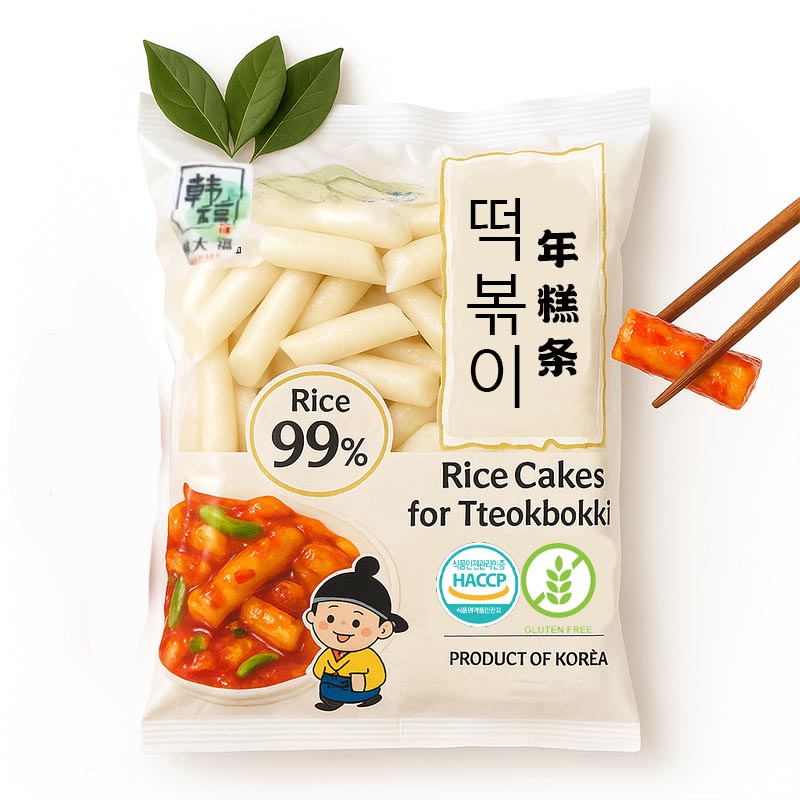
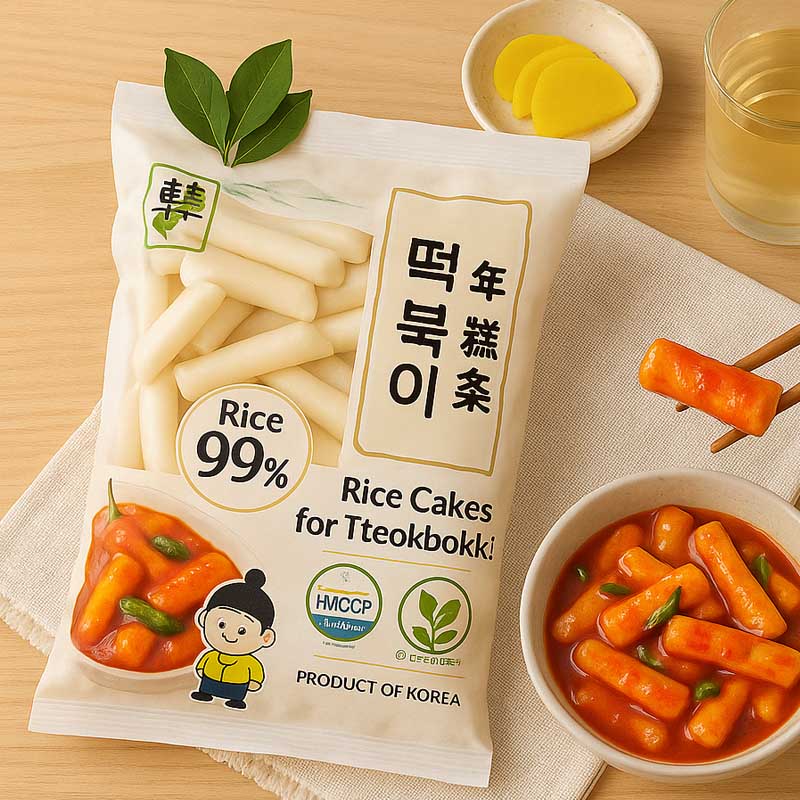
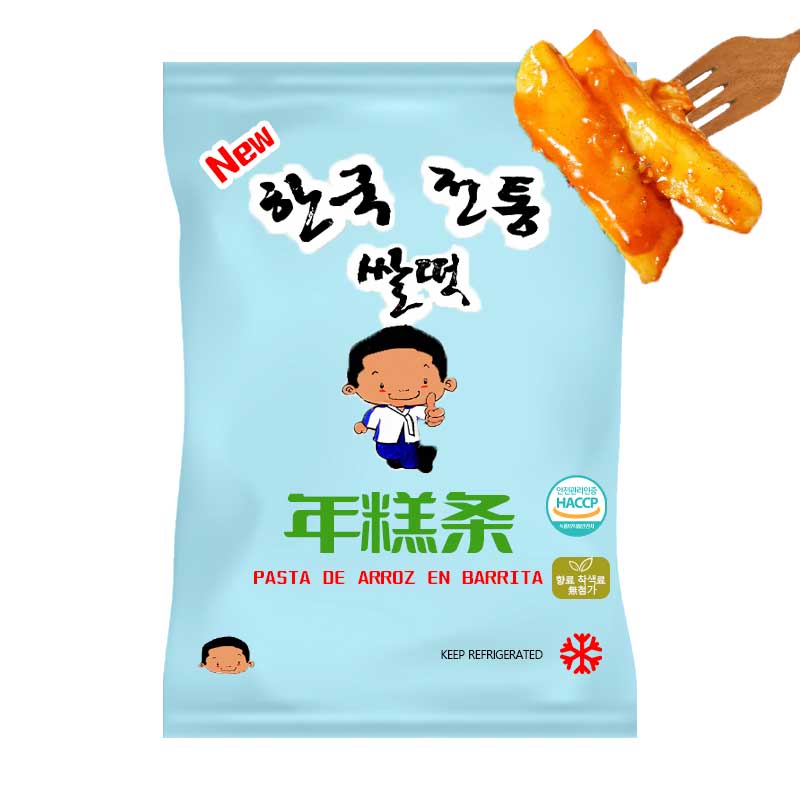
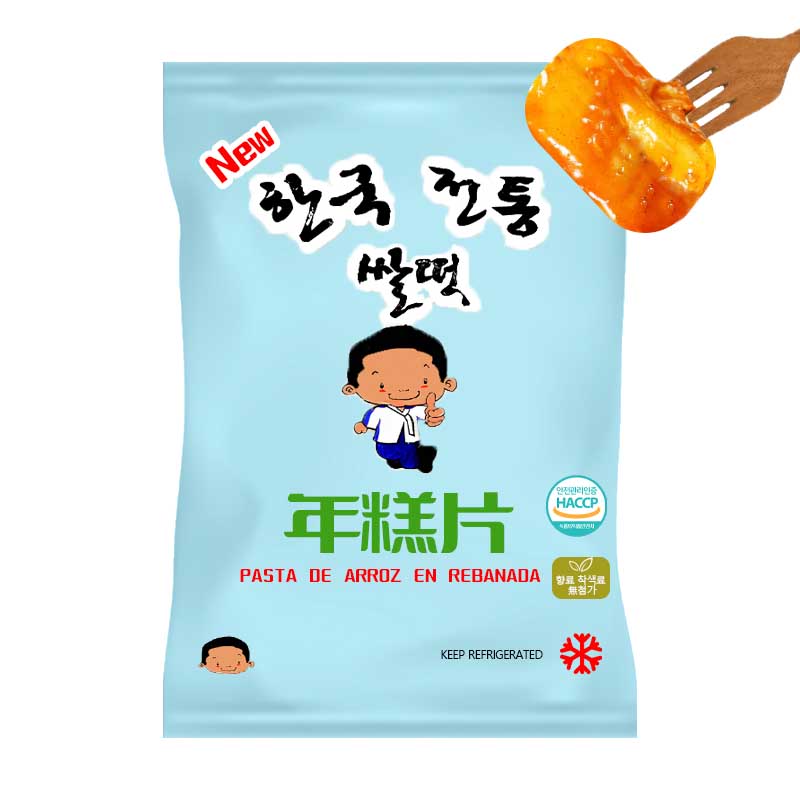
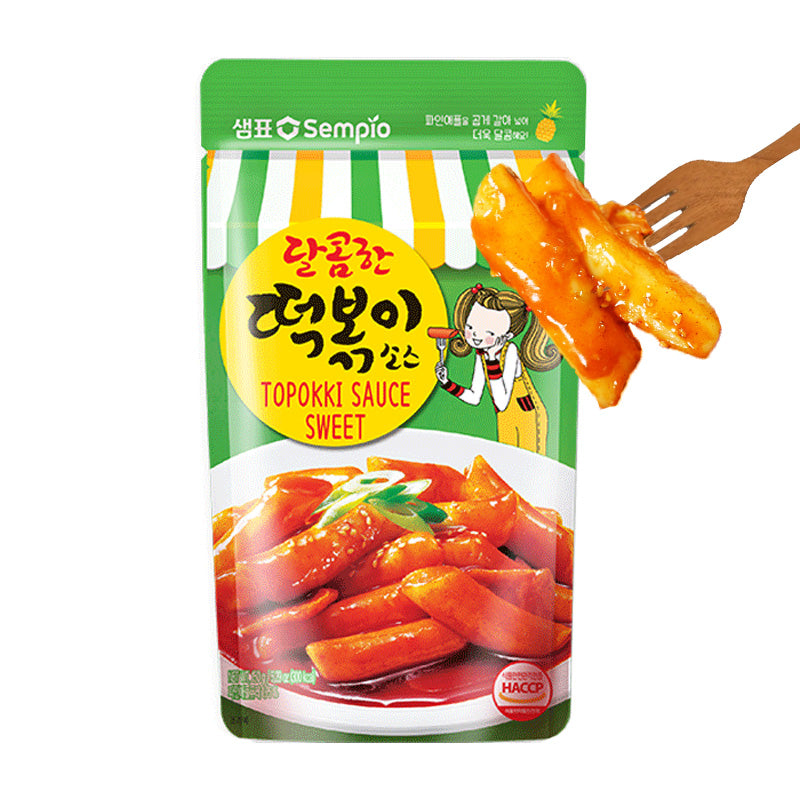
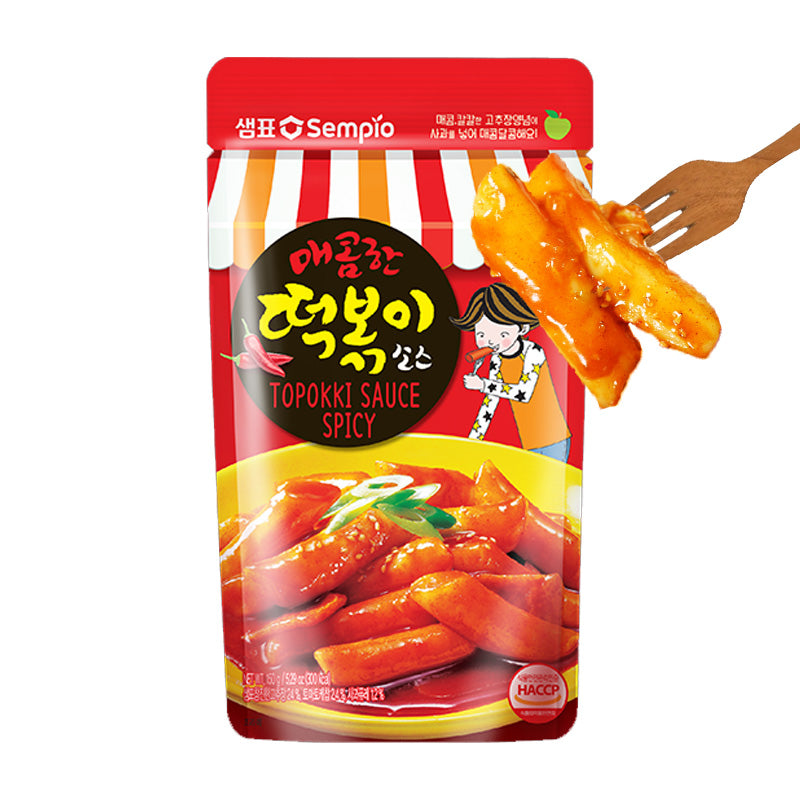
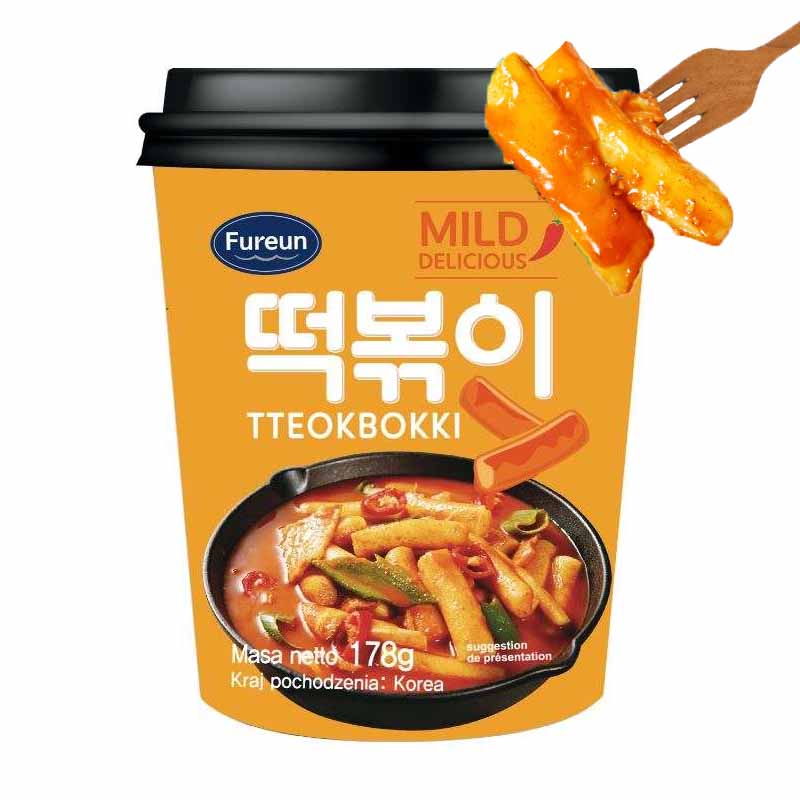
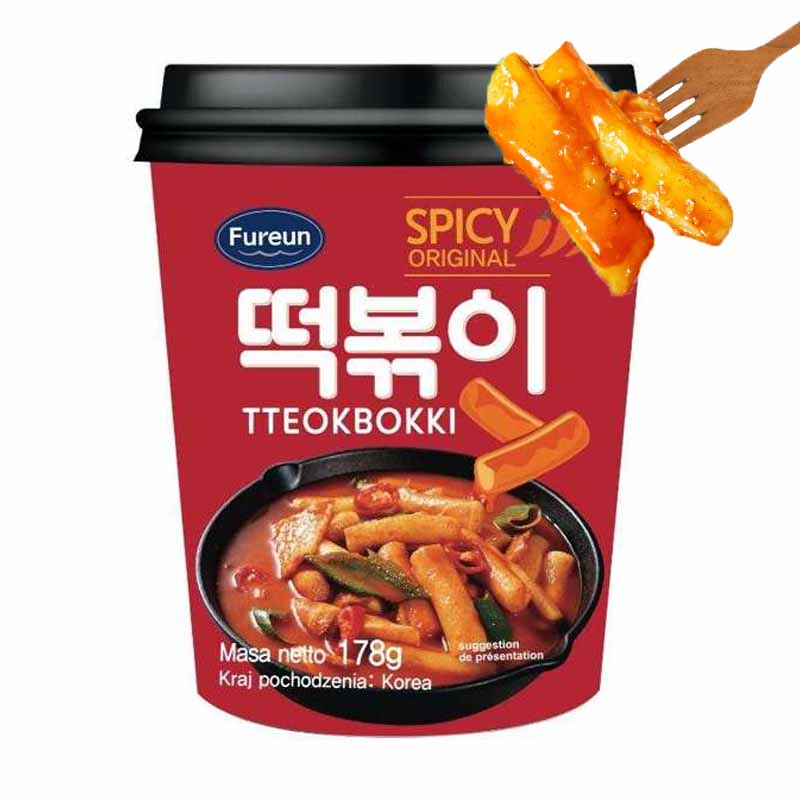
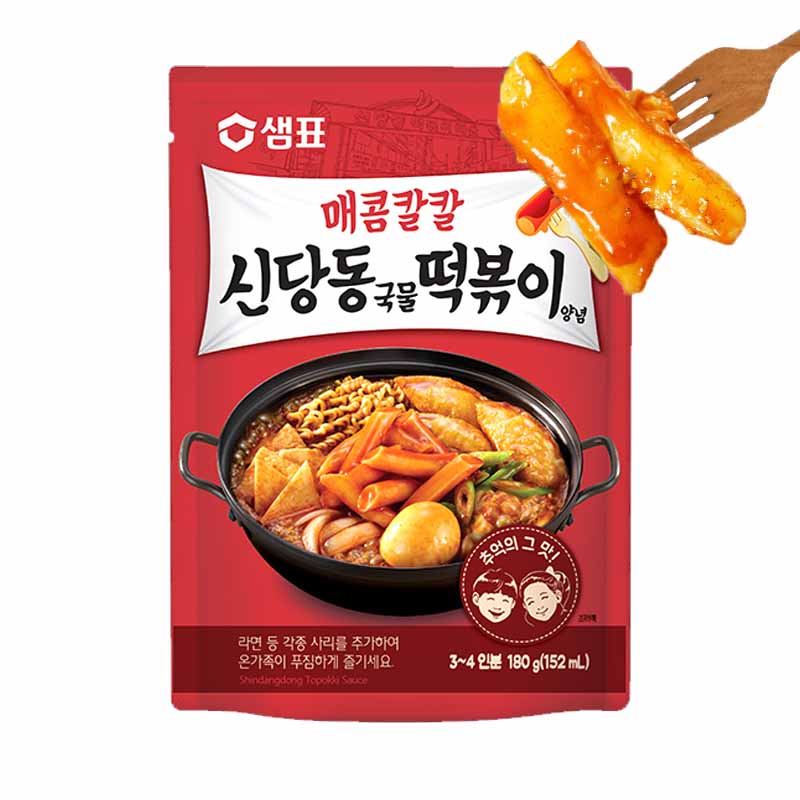
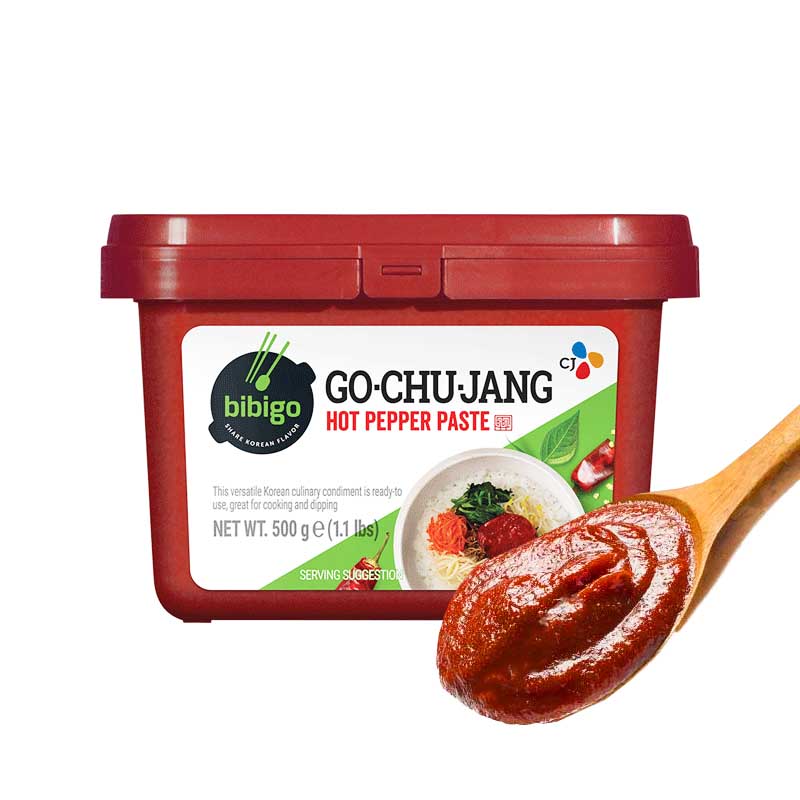
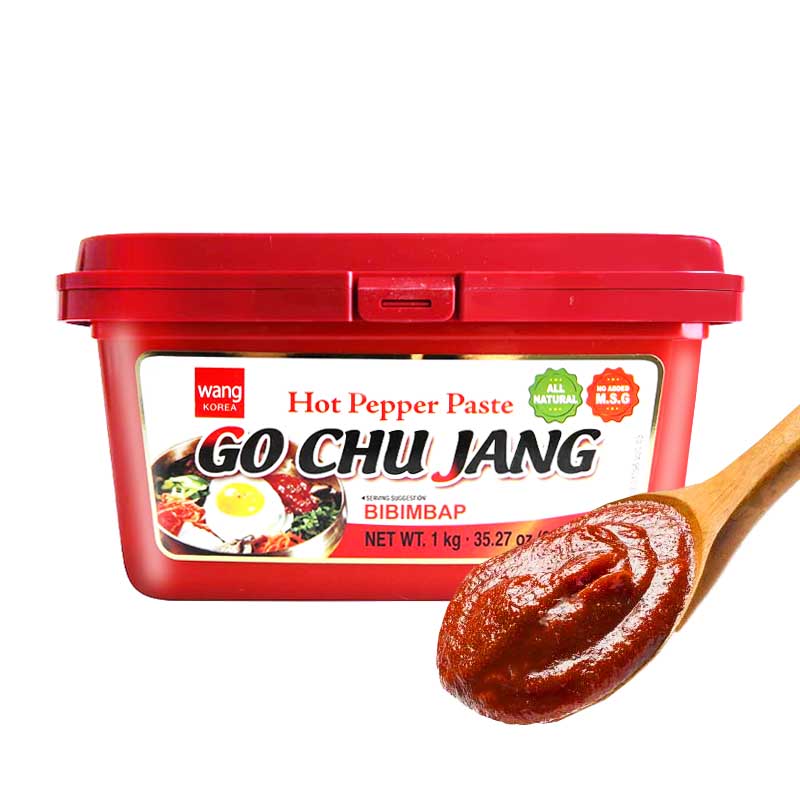
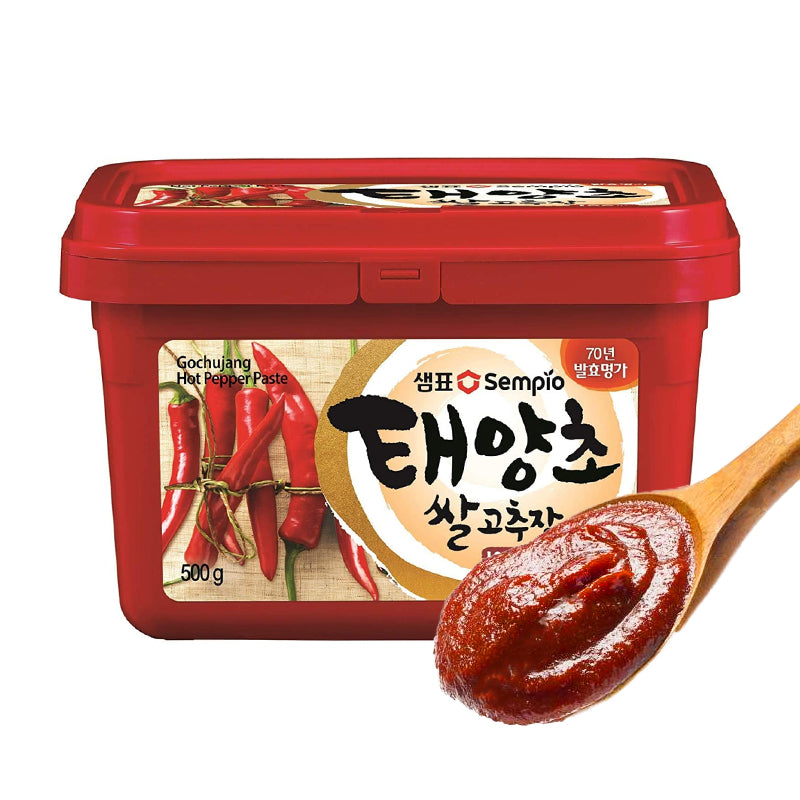
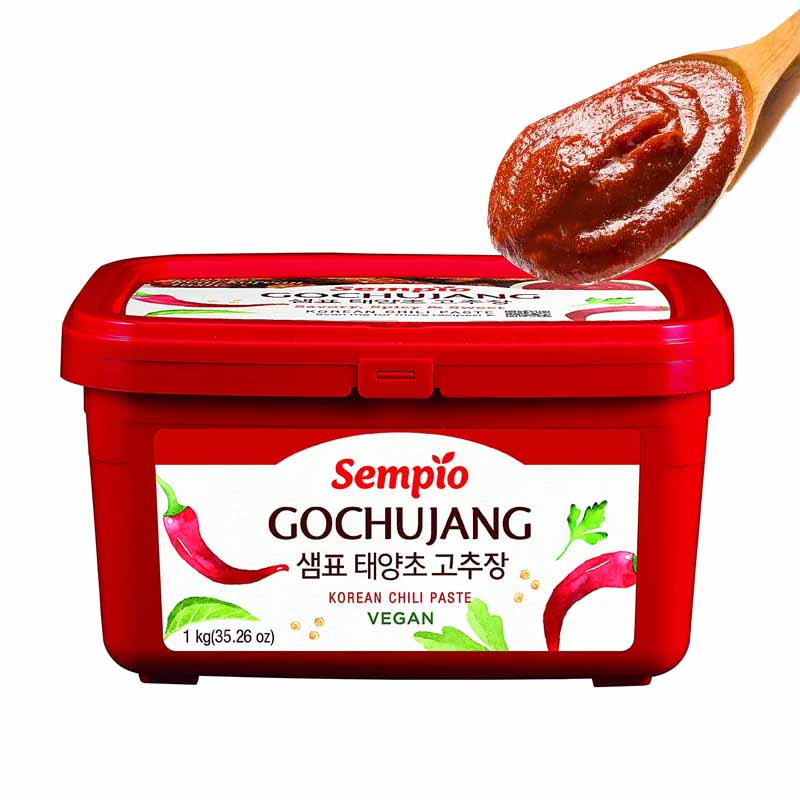
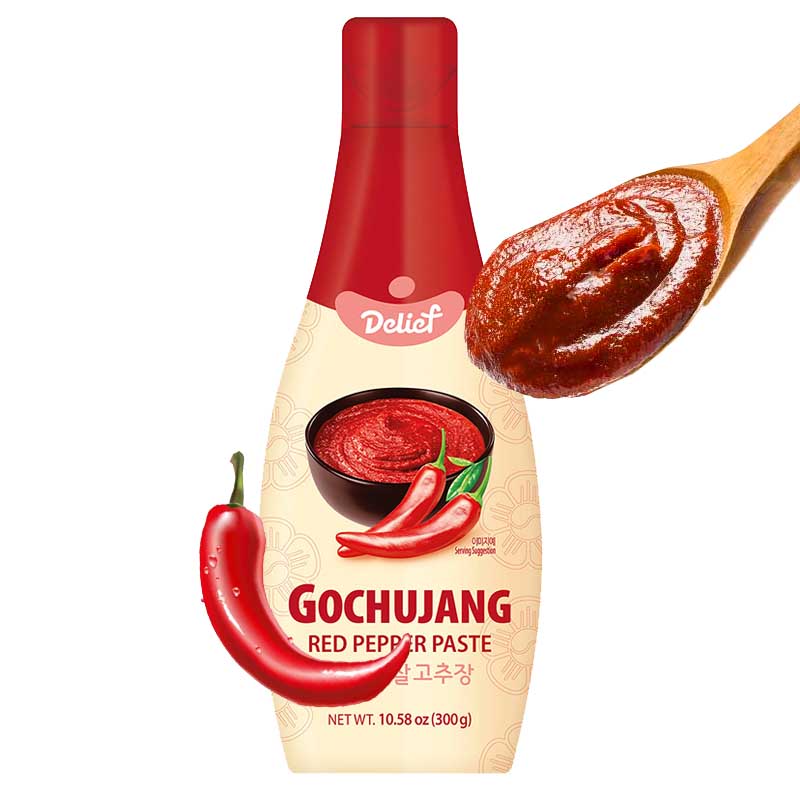
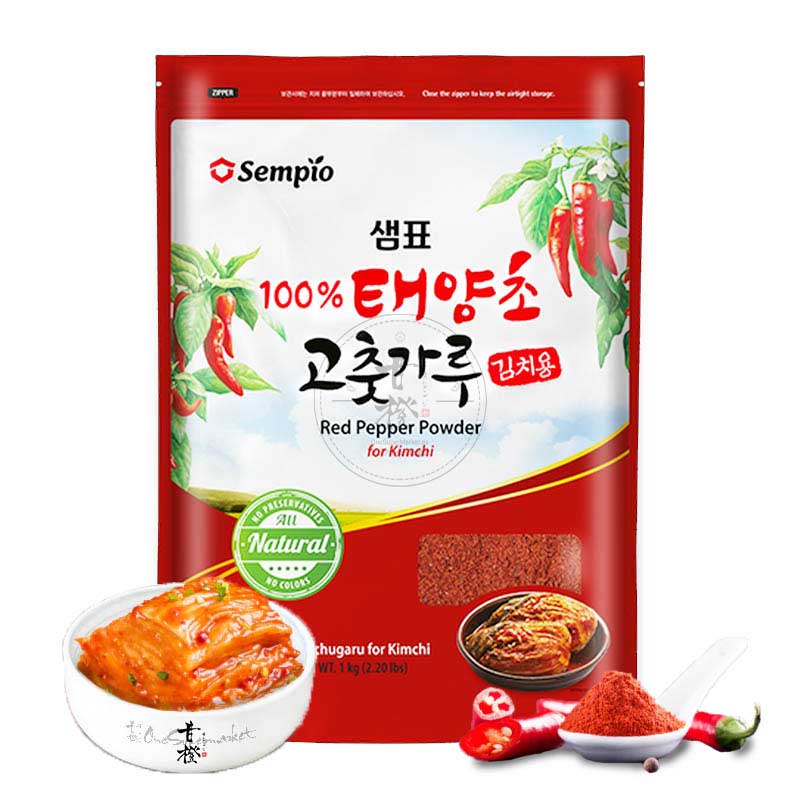
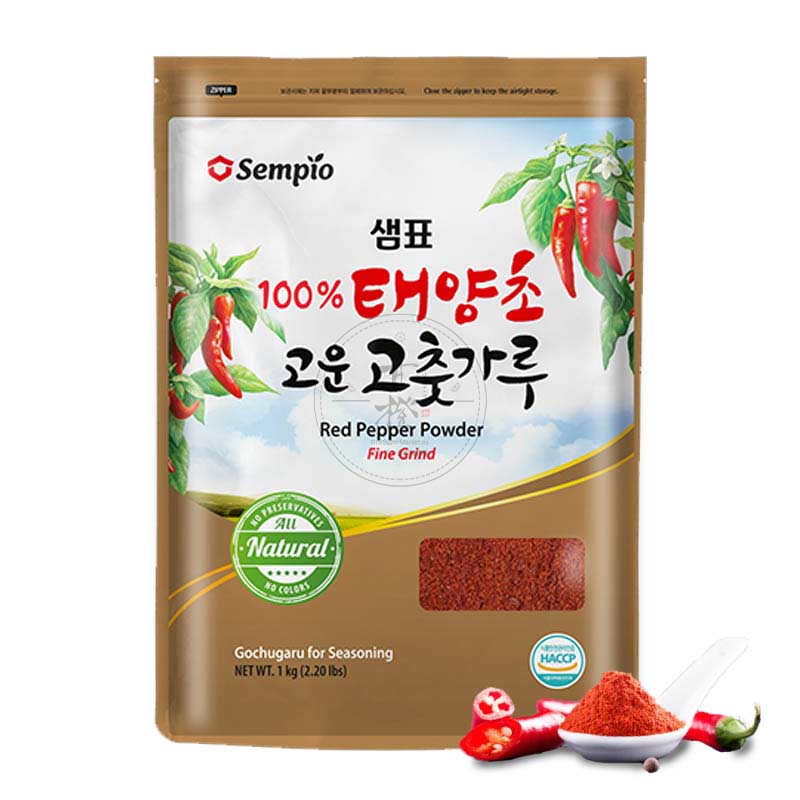
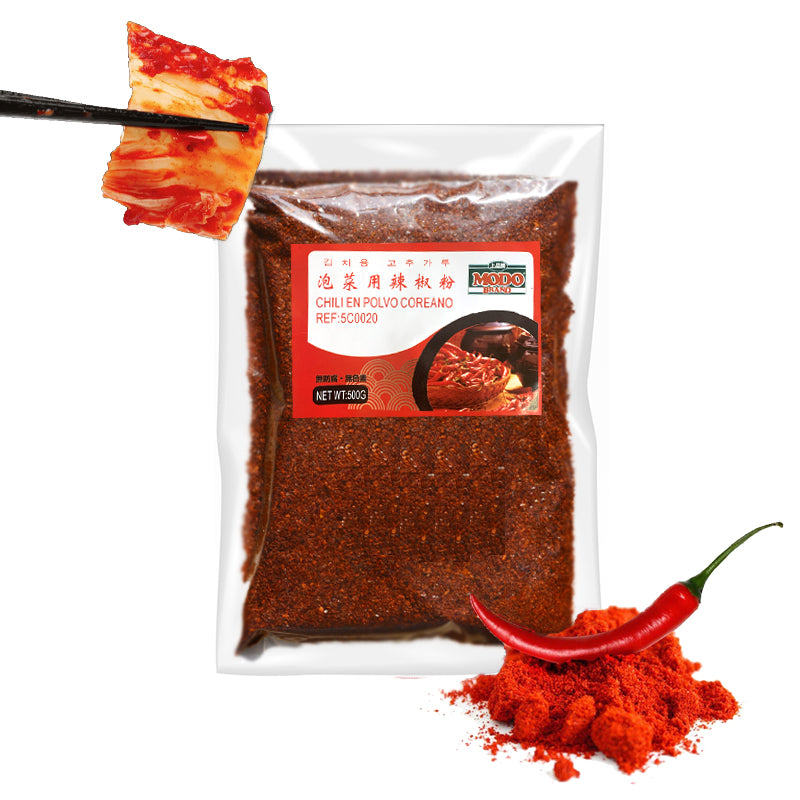

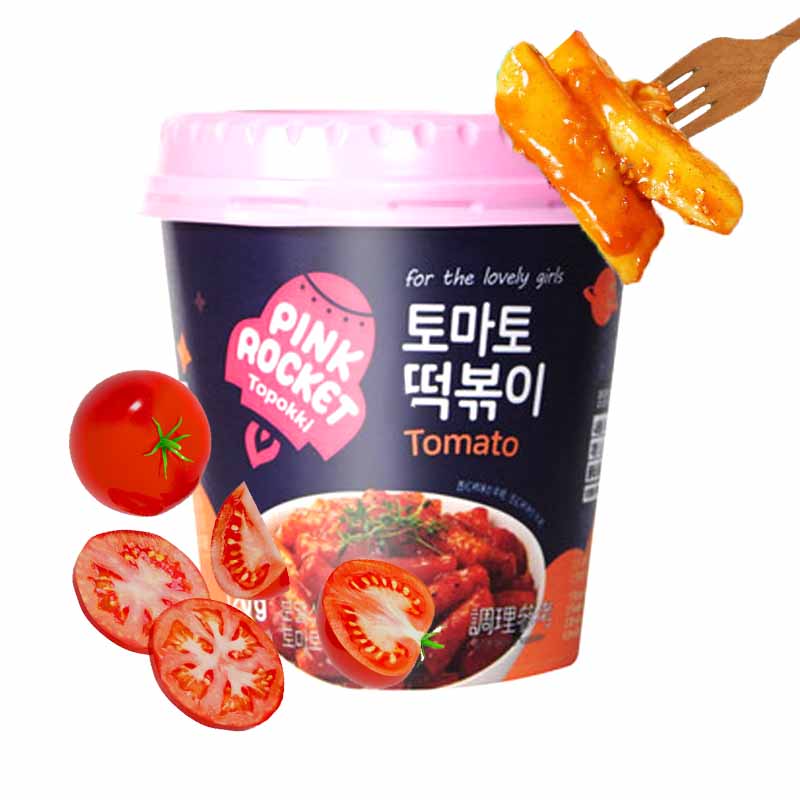
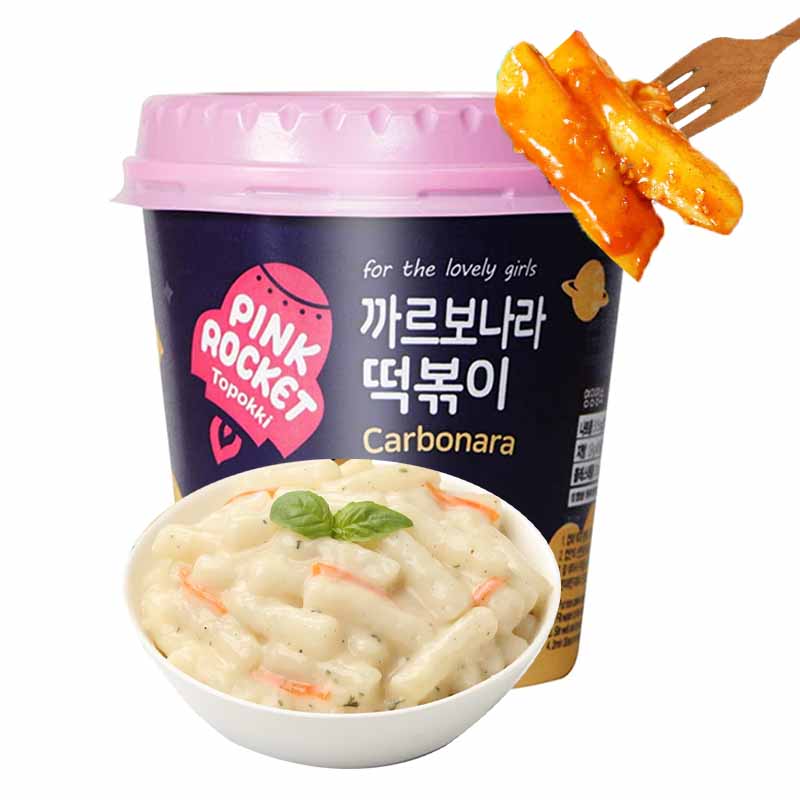


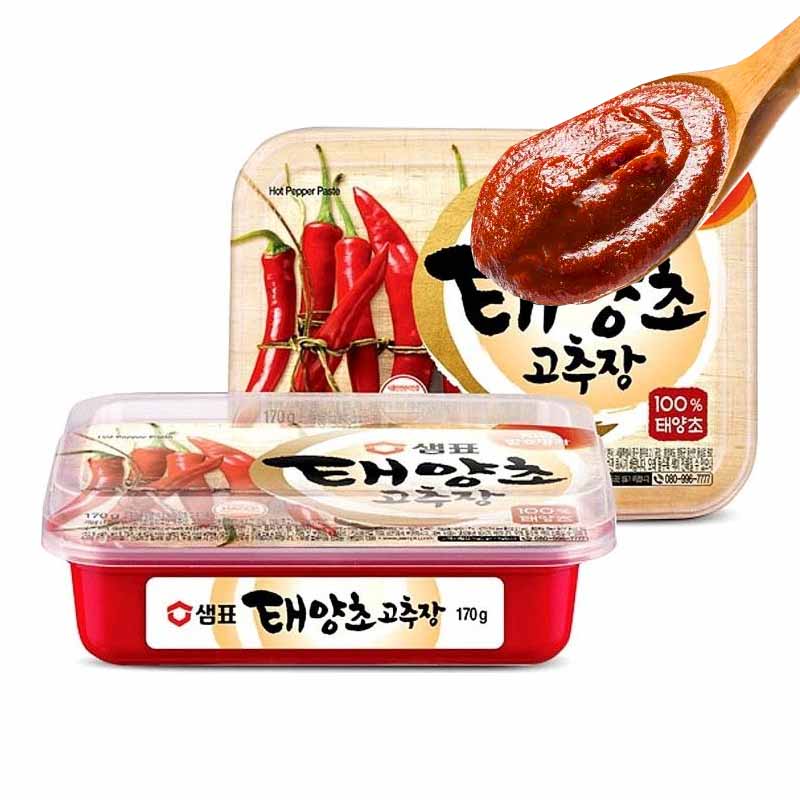
Find the balance between culinary experience and preparation time.
Ofrece la textura más suave y elástica, ideal para quienes buscan una experiencia auténtica y conocen la preparación tradicional. Requiere refrigeración y tiene vida útil corta.
El formato más recomendado en Portugal. Conserva la textura tras la cocción y permite almacenamiento prolongado. Un resultado muy cercano al fresco.
Simplifican la preparación al incluir arroz y salsa combinados. Ideales para principiantes que desean un sabor fiel sin buscar ingredientes por separado.
Solo requieren calentar el producto. Prácticas y rápidas, aunque la textura suele ser menos elástica y el sabor más estandarizado que los otros formatos.
Preparar Tteokbokki en casa en Portugal es sencillo si se utilizan pastel de arroz coreano y salsa de gochujang. Esta receta básica reproduce el sabor tradicional coreano en pocos minutos de cocción.
El Tteokbokki es un plato energético basado en arroz. Su composición varía según los ingredientes y la cantidad de salsa.
Es una comida reconfortante y energética. Su consumo habitual se asocia al disfrute ocasional. Preparado en casa, puedes ajustar el azúcar y el sodio para hacerlo más equilibrado.
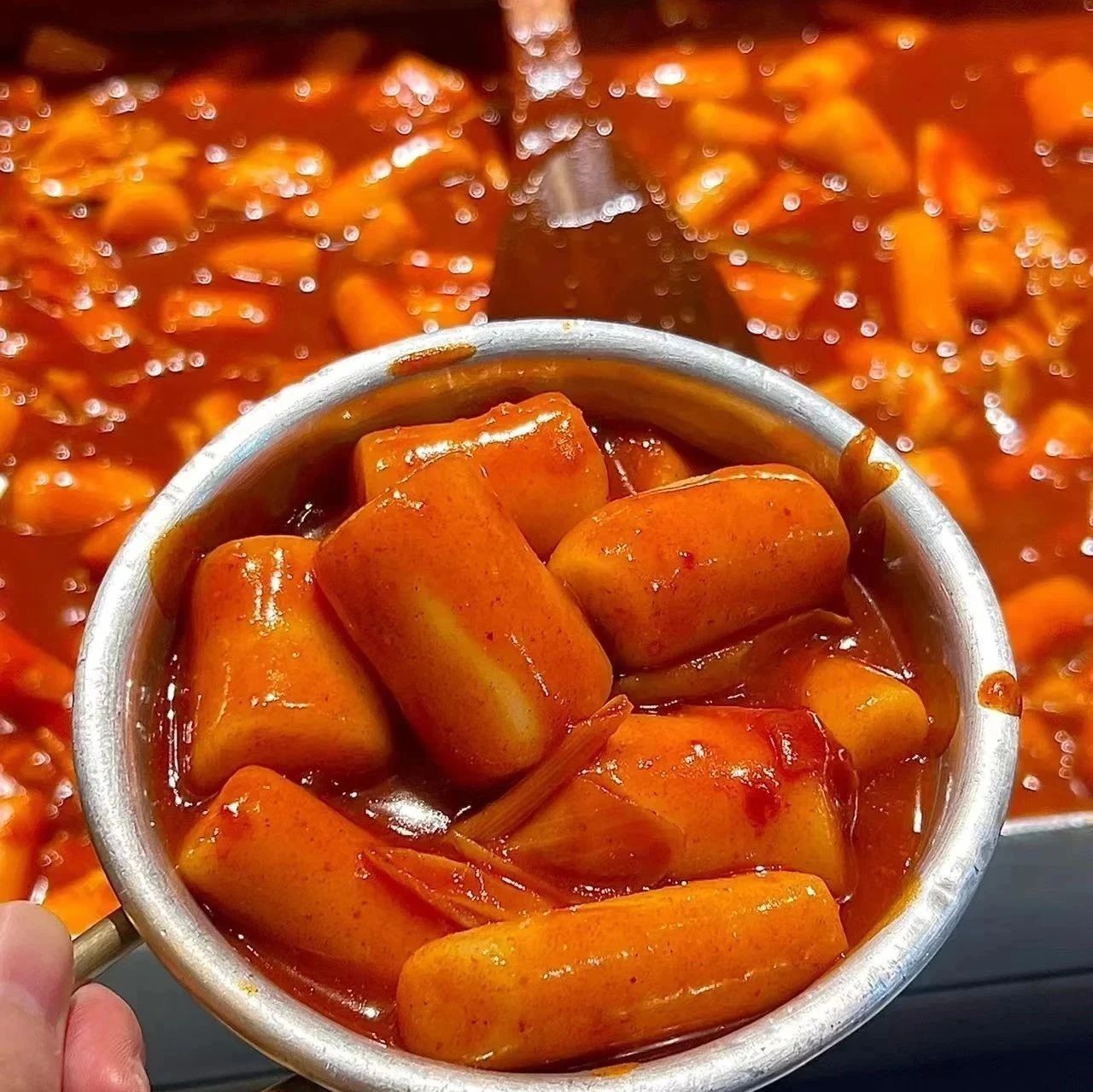
Korean Street Food Stalls Recipe
This is a recipe that evokes the flavors of my childhood. The secret lies in the moderate use of the ingredients.
Broth : You have the option of using water, but the subtle distinctive flavor of street food stalls is achieved with a fish cake soup.
Rice cake : Food stalls use starchy rice cakes that are not baked.
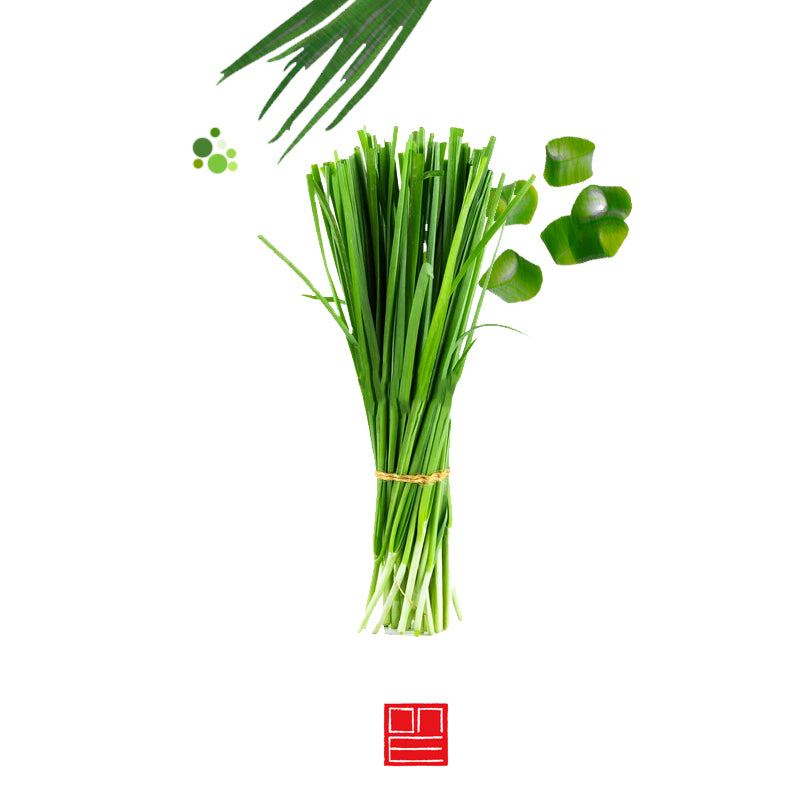
Vegetables : Chives are the default. Additionally, small amounts of onion and carrot are added.
Seasoning : Red chilli powder, Dasida and sugar (or starch syrup) are the only three ingredients. The proportion between Dashida and sugar is 1:1.
Recipe : Simply add the above ingredients to the broth and let it simmer. It's easy, right?
Ingredients also include rice, starch syrup, sausage, tomato sauce, hard-boiled egg, red pepper powder (fine or coarse), pepper, and oil.
El Tteokbokki suele tener un picante moderado equilibrado con dulzor. El nivel puede variar según la cantidad y el tipo de gochujang utilizado.
Se elabora principalmente con pastel de arroz coreano, salsa gochujang, agua o caldo y azúcar, a menudo con ingredientes adicionales como pastel de pescado, huevo o cebolleta.
Sí, el pastel de arroz coreano puede conservarse congelado antes de cocinarse. Sin embargo, el Tteokbokki ya preparado no mantiene bien su textura tras la congelación.
Puede quedar duro si se cocina poco tiempo o si el pastel de arroz estaba seco. También puede endurecerse al enfriarse, ya que pierde humedad y elasticidad.
Es un plato energético basado en arroz y salsa coreana, consumido principalmente como comida reconfortante o street food, no como plato ligero habitual.
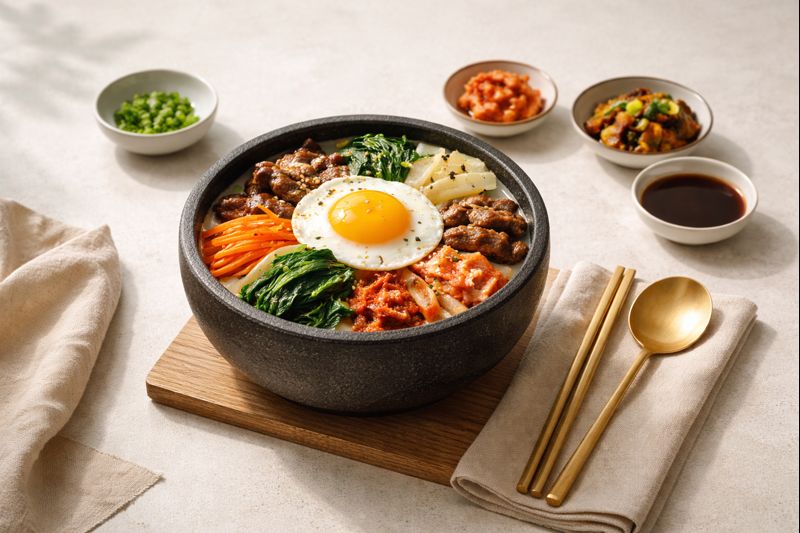
Bibimbap: The Authentic Korean Recipe in Spain (2026 Guide)
Bibimbap: The Authentic Korean Recipe in Spain (Complete Guide 2026) Bibimbap: The Authentic Korean Recipe in Spain (2026 Guide) Discover the essence of Korean Real Fooding: a c...

How to Enjoy Umeshu: Complete Guide
The best ways to enjoy Umeshu, Japanese plum liquor. Learn how to serve it neat, make refreshing cocktails, and explore its versatility in the kitchen. Transform your tasting experience with these ...

Benefits of Sesame Oil: Health and Cooking at its Best
The numerous benefits and uses of sesame oil in cooking, personal care and health. Learn how to take advantage of its antioxidant and anti-inflammatory properties.